
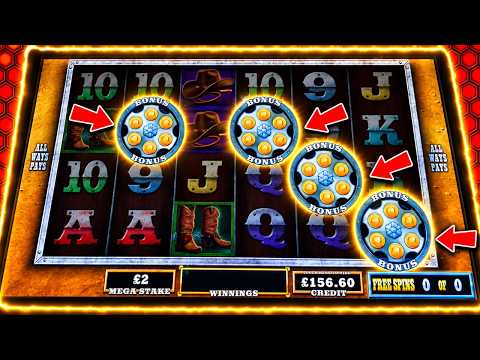
I’ve spent countless hours exploring slot games and table variants on the UK online casino scene, and one thing that changes my sessions more than anything is hit frequency. It’s not the flashiest number on the information screen, but it determines the rhythm of every spin I make at SpinSkull casino affiliate program. Hit frequency simply reveals me how often a game spits out a win—any win, irrespective of size. A title with a high hit rate might distribute small returns every few spins, while a low hit frequency machine can leave me staring at dead reels for ages before a decent reward finally lands. Grasping this mechanism transformed how I control my bankroll, which games I pick, and even my mood during an evening of play. I want to share what I’ve discovered.
Understanding Hit Frequency in Plain Language
When I initially tried online slots, I figured a game that awarded all the time was surely more generous. That’s a natural assumption, but it ignores the nuance. Hit frequency is shown as a percentage—the share of spins that produce any win, regardless of how small. If a slot has a hit frequency of thirty percent, I can count on around three out of ten spins to provide me something back, be it a sliver of my stake or a bigger multiplier. The other seven spins return zilch. That number reveals nothing about win size, only how often they appear. At SpinSkull Casino, I often notice this data located in the game rules or paytable, and I always check it before wagering real money on the line. It offers a clear picture of the tempo I’m about to ride.
What really strikes me is how two games with identical RTP percentages can appear worlds apart just because of their hit frequency. One produces a steady trickle of tiny prizes that moves my balance along, while another goes dead silent for twenty spins and then explodes with a feature win. Neither is intrinsically better—they just match different moods and budgets. I’ve grown to understand hit frequency as a pacing tool, not a gauge of generosity. That mental shift was the real first step towards smarter play. Once I absorbed it, I stopped chasing games that merely felt busy and started aligning the rhythm with my own patience and what I hoped for from the session.
Aligning Hit Frequency to Your Playing Style
I feel there’s a universal best hit frequency—only the one that fits your playing style. When I’m in the mood for a extended, casual session where I can chat with mates or half-watch a show in the background, I gravitate towards games with a hit frequency over thirty-five percent. The steady small wins throb like a heartbeat, maintaining me engaged without demanding my full concentration. These sessions are about fun value per hour, and I assess success by how long my bankroll lasts, not by a big cashout. At SpinSkull Casino, I have a shortlist of titles I return to again and again because they provide exactly that reliable companionship.
On days when I’m experiencing more determined and have allocated a dedicated bankroll for a shot at a substantial win, I actively hunt down lower hit frequency games. I enter knowing I might blow the entire session budget, but also conscious that a single feature trigger could turn the outcome dramatically. This approach needs a clear head and a pre-set exit plan. I never pursue losses on these titles, and I ensure of acknowledging the small wins when they do occur—even if they’re just a modest recovery. Aligning hit frequency with my state has transformed gambling from a passive thing into an intentional choice, and that shift has made my time at SpinSkull Casino far more fulfilling.
Practical Adjustments I Implement Based on Hit Frequency
Before I load any game at SpinSkull Casino, I now run through a quick mental checklist that kicks off with hit frequency. If the rate sits above thirty-five percent, I pick a modest bet size relative to my bankroll and get comfortable for a longer, more relaxed session. I don’t chase big wins aggressively because the game’s design usually doesn’t back them. Instead, I center on enjoying the play and viewing any bonus round as a nice surprise. I also often set a higher target number of spins, knowing my balance will decline slowly. This approach converts a twenty-pound deposit into a genuine evening’s entertainment—which, for me, is often the main goal.
When I go for a low hit frequency title, I make several concrete adjustments. I reduce my bet size even further to buy more spins and boost the chance of hitting a bonus round. I set a hard stop-loss at fifty percent of my session bankroll and follow it without exception. I also mentally ready for long stretches of nothing, reminding myself the game is working exactly as designed. If I land a feature early, I ponder banking a chunk of the profit straight away rather than ploughing it all back in. These small disciplines have transformed volatile games from bankroll eaters into exciting, controlled risks that occasionally pay off handsomely. The key is that I no longer handle them with the same expectations I carry to high frequency slots.
A Brief Note on Volatility
Short-Term Variance
Even when I know the published hit frequency, I keep reminding myself that short-term variance can generate results wildly different from the average. A thirty percent hit rate doesn’t mean I’ll win exactly three out of ten spins; I might suffer fifteen in a row or rattle off five consecutive wins. That clustering is normal and is exactly what makes gambling unpredictable and thrilling. At SpinSkull Casino, I regard each session as a one-off event, not a statistical obligation. Accepting variance has helped me escape the trap of thinking a game owes me a win after a dry spell. The numbers unfold over millions of spins, not over my Friday night, and I’ve reconciled with that uncertainty.
Why Play Duration Matters More Than You Think
I used to just set a time limit and ignore everything else, but hit frequency showed me that session length and game choice are deeply connected. A high hit frequency slot can easily fill a two-hour window with a fairly small bankroll, because the constant returns circulate funds back into play. I’ve spun twenty-five quid into a full evening of entertainment at SpinSkull Casino this way, just by picking a game that offered a win every third or fourth spin on average. The session felt full and absorbing, and I walked away having spent just what I’d budgeted for the leisure time I got.
Low hit frequency games shorten the experience. I might exhaust the same bankroll in thirty minutes if the dry spells stack up, or I might hit a feature early and find myself in profit just as fast. Because of that, I now tailor my planned session length to the hit frequency of the game I intend to play. If I’ve only got an hour, I’ll stay away from the most volatile titles unless I’m ready for the possibility that the fun could finish abruptly. That small planning step has removed the frustration of feeling like my deposit vanished too fast, because I go in with my eyes wide open to the expected pace.
Frequent Misconceptions Surrounding Recurring Wins
One of the most stubborn myths I run into is the idea that a game that hits often is somehow looser or more likely to spit out a big win. In reality, those frequent small wins are typically calibrated to give back just enough to keep your balance hovering, while the game steadily grinds your stake away through the house edge. I’ve seen players at SpinSkull Casino rejoice over a flurry of ten pence wins on a pound spin, not understanding they were still losing money overall. Hit frequency can produce an illusion of winning, and that illusion is strong. I always verify my balance against my starting point rather than believing the sensory feedback of regular sounds and animations.
Another misunderstanding is that low hit frequency games are rigged or faulty when they trudge through a long losing streak. I’ve known that frustration myself, but I now get that those streaks are mathematically inevitable in a game built to pay out infrequently. The machine isn’t punishing me; it’s just following its programmed distribution. The danger is that this sensation can lead to cranking up bets or extending sessions past sensible limits. I tell myself that each spin is independent, and the hit frequency is a long-term average, not a promise for the next five minutes. Keeping that perspective has saved my bankroll more times than I can count.
The function of Player Return (RTP) and Hit Rate
Numerous players I talk to confuse a high hit frequency with a high RTP, but they’re different metrics that work together. RTP is the expected percentage of all wagered money a game returns over a huge number of spins, while hit frequency only measures how often any win hits. I’ve tested slots with a 96 percent RTP and a hit frequency of just 20 percent—meaning the returns cluster in rare but larger events. On the opposite side, I’ve enjoyed games with a lower RTP of 94% percent but a hit frequency above forty percent, where the house edge gets taken through many small losing spins instead of a few big ones. Neither model is a trick; they’re just distinct mathematical models.
At SpinSkull Casino, I always try of checking both figures whenever they’re displayed. A game with a high RTP and a moderate hit frequency often hits a balanced sweet spot for my regular play. I get a fair theoretical return over the long haul, and the pacing feels comfortable. But I never treat RTP as a short-term promise. In a single session, hit frequency has a far more tangible impact because it directly determines the rhythm of wins and losses I feel minute by minute. Understanding how these two stats interact has stopped me from making snap judgments about a game’s fairness just because I’m stuck in a dry spell.
How Volatility Influences the Hit Frequency Journey
Variance and hit frequency are closely connected—I often describe them as two facets of one reality. Hit frequency reveals to me how often I win; volatility indicates how substantial those wins tend to be and how erratic the swings turn. A low volatility game typically combines a high hit frequency with smaller, more stable payouts. When I play these at SpinSkull Casino, my balance wavers gently, with few dramatic peaks or troughs. That suits me on nights when I want a laid-back session without adrenaline spikes. The wins trickle in rather than pour, and I can find a steady rhythm that doesn’t require my constant emotional attention.
High volatility slots, by contrast, almost always come with a lower hit frequency. The machine stays silent for long stretches, and then a bonus round or a lucky line hit brings a multiplier that can erase all earlier losses in a single https://www.gamblingcommission.gov.uk/public-and-players/guide/complain-about-the-national-lottery instant. I discover these games exhilarating but mentally taxing. I have to keep reminding myself that the dry spells are baked into the design and not a sign the game is broken. Understanding this relationship assists me dodge the trap of increasing my bet size out of impatience. At SpinSkull Casino, I can commonly estimate a game’s volatility by examining the paytable spread and the hit frequency percentage side by side; that dual reading offers me a reliable preview of the ride ahead.
The Direct Link Between Hit Frequency and Your Bankroll
My bankroll management transformed completely once I started factoring in hit frequency. A game with a hit rate above forty percent often delivers small returns constantly, which can extend a modest deposit way longer than you’d think. I’ve been with twenty quid on a high hit frequency slot at SpinSkull Casino and played for well over an hour, just because the ongoing tiny top-ups reduced the balance drain. The psychological comfort is real, but there’s a trade-off: those frequent wins are rarely large, so generating a meaningful profit requires an unusually lucky streak or a bonus round. I treat these games as entertainment extenders, not serious profit engines, and that mindset keeps my expectations grounded and my spending in check.
At the opposite end, low hit frequency titles call for a different discipline. When I play a slot that hits only fifteen percent of the time, I know I’m in for long losing stretches. My balance can plummet, and if I haven’t gotten ready mentally for that, frustration starts fast. I always establish a strict loss limit and make sure my session bankroll is large enough to ride out the variance. The reward for that patience can be a chunky payout that high frequency games rarely offer. I now consider my bankroll not just as a lump sum, but as a number of potential spins—and hit frequency directly influences how many bites at the apple I actually get.

Recognizing High and Low Hit Frequency Games at SpinSkull Casino
Browsing the SpinSkull Casino lobby gets a lot easier once you recognize what visual and informational cues to hunt for. Many modern video slots display their hit frequency in the paytable or help section, often labeled as hit rate or win frequency. I always take thirty seconds to access that screen before I put a single bet. If the number isn’t published, I can often deduce it from the volatility rating, which is more commonly presented. A game labeled low volatility almost certainly has a high hit frequency, while high volatility indicates a lower one. I also analyze the paytable structure. Games where the top symbol pays only a modest multiple of the bet, but lower symbols pay frequently, tend to have a higher hit rate.
Another trick I use is to spin the reels a few dozen times in demo mode—SpinSkull Casino gives that on plenty of titles. I observe how often the reels give back any return, even a fraction of my stake. Within fifty spins, a pattern usually appears that fits my expectations. I don’t regard this as a precise measurement, but it offers me a practical feel that raw numbers can’t communicate. Some games include mechanics like cascading reels or respins that can artificially boost the perceived hit frequency, so I consider those in. Over time, I’ve created a mental map of the lobby—I understand exactly which corners hold the steady grinders and which ones hide the explosive, low-hit beasts.


Leave a Comment